

Why Connecting Youth with Nature Matters Today
In recent years, young people have become increasingly distanced from natural environments. Urban lifestyles, digital technologies, and limited access to green spaces have significantly reduced opportunities for meaningful contact with nature. This growing separation has consequences that go far beyond environmental awareness—it affects physical well-being, emotional resilience, social interaction, and long-term attitudes toward sustainability.
Nature provides a space where young people can slow down, observe, and reconnect with themselves and their surroundings. Outdoor environments encourage curiosity and exploration while offering experiences that cannot be replicated indoors. When young people spend time in nature, they develop a stronger sense of responsibility, not only for the environment but also for their own actions and decisions.
Connecting youth with nature also plays a crucial role in fostering environmental responsibility. Abstract concepts such as climate change, biodiversity loss, or sustainability become tangible when young people experience ecosystems firsthand. Seeing the impact of human activity on natural environments creates awareness that is grounded in experience rather than theory.
For youth organisations, nature-based engagement is not an additional activity—it is a strategic approach. By creating opportunities for outdoor experiences, organisations support holistic development while contributing to the formation of environmentally conscious and socially responsible young people. Reconnecting youth with nature today means investing in more resilient, aware, and engaged communities tomorrow.
.
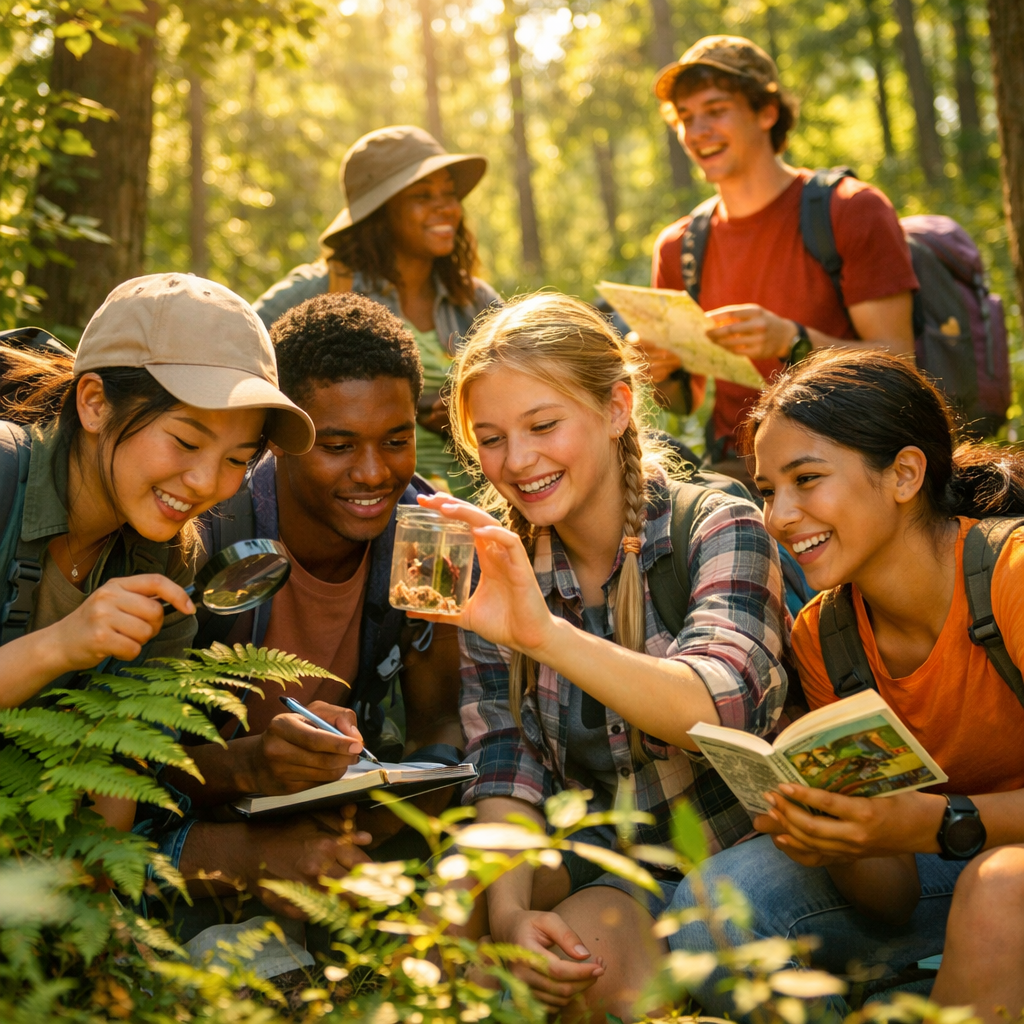
Nature-Based Activities as a Tool for Youth Empowerment
Empowerment is most effective when young people are actively involved rather than passive participants. Nature-based activities offer a powerful framework for youth empowerment because they rely on experience, cooperation, and reflection rather than instruction alone.
Outdoor environments naturally encourage participation. Activities such as camping, ecological exploration, or field-based initiatives require decision-making, teamwork, and problem-solving. Young people are often placed in situations where they must rely on their own abilities and collaborate with others, which strengthens confidence and self-efficacy.
Nature also creates a neutral and inclusive space. Away from formal structures and expectations, young people can express themselves more freely and engage on equal terms. This is particularly important for those who may feel excluded or disengaged in traditional settings. Nature-based activities allow different strengths to emerge and be recognized.
Empowerment grows when young people feel capable of influencing their surroundings. Through hands-on experiences, they develop practical skills while gaining a sense of ownership over their actions. Nature-based youth work supports autonomy, responsibility, and resilience—key elements for active citizenship and long-term engagement.

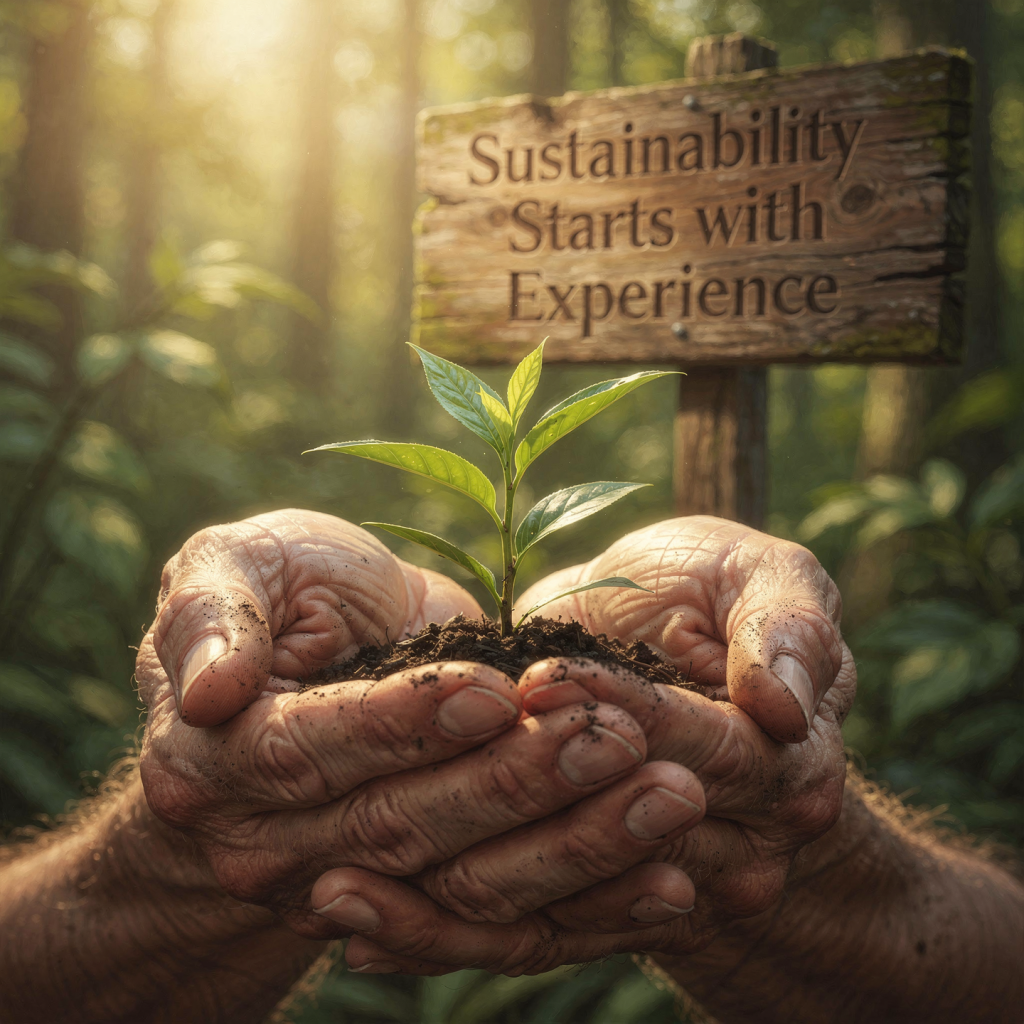
Sustainability Starts with Experience
Sustainability is often discussed as a global challenge, but its foundations are built through everyday choices and experiences. For young people, sustainability becomes meaningful only when it is connected to real-life contexts and practical action.
Experiential engagement allows young people to understand the relationship between human behavior and environmental impact. Outdoor activities, ecological workshops, and community initiatives provide opportunities to observe natural processes, identify challenges, and explore sustainable solutions. These experiences transform sustainability from an abstract concept into a lived reality.
When young people actively participate in sustainability-related activities, they develop a deeper sense of responsibility. They begin to understand that protecting the environment is not a distant goal but a shared task that requires commitment and cooperation. This awareness influences attitudes and behaviors far beyond individual activities.
By embedding sustainability into experiential practices, youth initiatives contribute to long-term mindset change. Young people who learn through experience are more likely to adopt sustainable habits, advocate for environmental responsibility, and inspire others within their communities.
The Role of Youth Organisations in Environmental Responsibility
Youth organisations occupy a unique position in promoting environmental responsibility. They serve as bridges between young people, communities, and broader societal challenges, offering spaces where engagement is voluntary, participatory, and meaningful.
Through non-formal and experiential approaches, youth organisations can address environmental topics in ways that are accessible and relevant. Outdoor activities, community projects, and collaborative initiatives encourage young people to explore ecological issues through action rather than passive learning.
Environmental responsibility develops when young people are encouraged to reflect on their role within the ecosystem and society. Youth organisations support this process by fostering dialogue, critical thinking, and cooperation. By involving young people in planning and implementation, organisations strengthen ownership and long-term commitment.
Collaboration with local communities and international partners further amplifies impact. Youth organisations contribute to sustainable development not only by raising awareness, but by enabling young people to become active contributors to environmental
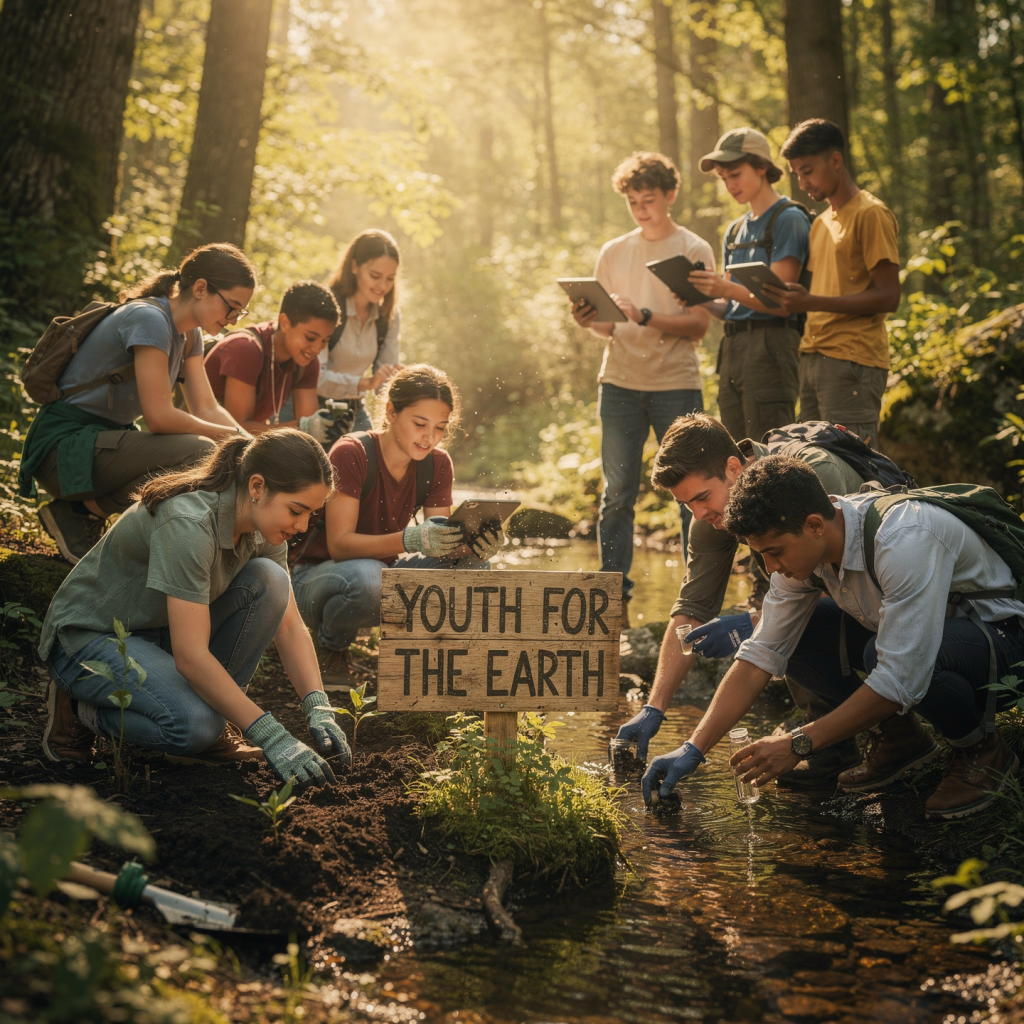
From Outdoor Experiences to Sustainable Mindsets
Outdoor experiences often leave a deeper impact than structured indoor activities. Time spent in nature encourages reflection, adaptability, and awareness of one’s surroundings. These experiences influence how young people perceive the environment and their place within it.
Sustainable mindsets develop gradually, shaped by repeated exposure to meaningful experiences. Outdoor engagement supports this process by fostering respect for natural systems and an understanding of interconnectedness. Young people begin to see sustainability as part of everyday life rather than a separate concept.
By creating opportunities for consistent outdoor engagement, youth initiatives help translate experience into values. These values guide behavior, decision-making, and community involvement long after the activity itself has ended.